
BLOG
Tips on Switching from Smoking to Nicotine Pouches: A Complete Guide for Smokers

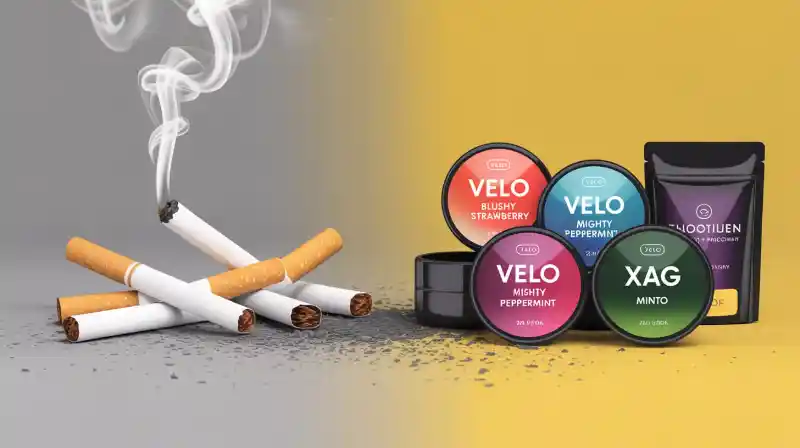
Switching from Smoking to Nicotine Pouches (Complete 2026 Guide)
Direct answer:
Switching from smoking to nicotine pouches works because you replace harmful cigarette smoke with a smokeless nicotine source. This reduces exposure to thousands of toxic chemicals, making it a less harmful alternative—but not risk-free. The most effective way to switch is to match your nicotine intake, replace smoking routines gradually over 1–2 weeks, and manage cravings with controlled pouch use.
1. The Smoker’s Dilemma: Why Quitting Feels So Hard
Most smokers don’t struggle because of nicotine alone—they struggle because of habit, timing, and emotional triggers.
- Morning cigarette → brain activation ritual
- After-meal cigarette → satisfaction cue
- Stress cigarette → emotional relief
The real challenge is not just quitting nicotine. It’s breaking the routine tied to it.
That’s why many people fail when they try to quit cold turkey.
2. What Are Nicotine Pouches?
Nicotine pouches are small, tobacco-free oral products placed under your upper lip. They release nicotine gradually through your gums.
How they work:
- No smoke, no combustion
- Nicotine is absorbed through the oral lining
- Effects start within 5–15 minutes
- Used for 20–30 minutes per pouch
Key difference from cigarettes:
| Feature | Cigarettes | Nicotine Pouches |
|---|---|---|
| Smoke | Yes | No |
| Tar & carbon monoxide | Yes | None |
| Smell | Strong | Odorless |
| Delivery speed | Fast | Moderate |
3. Why Smokers Are Switching in 2026
There’s a clear global shift toward smoke-free nicotine alternatives.
Main reasons:
- Health awareness
- Rising cigarette costs
- Social stigma around smoking
- Workplace restrictions
Research shows most pouch users are former or current smokers trying to reduce harm.
4. The Science of Harm Reduction (What Actually Matters)
The biggest danger in smoking is not nicotine—it’s combustion.
Cigarette smoke contains:
- Over 7,000 chemicals
- Dozens of carcinogens
- Carbon monoxide and tar
Nicotine pouches:
- Do not burn tobacco
- Contain significantly fewer harmful chemicals
- Eliminate smoke-related toxins
This is why switching reduces risk.
But here’s the honest truth:
- Nicotine is still addictive
- Long-term effects are still being studied
5. Are Nicotine Pouches Right for You?
Best for:
- Daily smokers trying to quit
- People who failed with gum/patches
- Smokers wanting a discreet option
Not recommended for:
- Non-smokers
- Teens or young adults
- Pregnant individuals
6. Step-by-Step Transition Plan
Phase 1: Preparation (Days 1–3)
- Track when you smoke (timing + triggers)
- Identify your “must-have” cigarettes
- Choose correct nicotine strength
Phase 2: Partial Replacement (Week 1)
- Replace 25–50% of cigarettes
- Start with low-importance ones
- Learn proper pouch placement
Phase 3: Full Transition (Week 2)
- Replace all cigarettes
- Use 5–10 pouches daily
- Adjust strength based on cravings
Phase 4: Stabilization (Week 3+)
- Maintain routine without smoking
- Avoid relapse triggers
- Optional: start reducing nicotine
7. Choosing the Right Nicotine Strength
Picking the wrong strength is the #1 reason people fail.
General guide:
- Light smokers → 3–6 mg
- Moderate smokers → 6–9 mg
- Heavy smokers → 9–12 mg+
Pro tip:
Use two strengths:
- Strong → for intense cravings
- Mild → for routine use
8. How to Use Nicotine Pouches Properly
Step-by-step:
- Place pouch under upper lip
- Leave for 20–30 minutes
- Dispose after use
What you’ll feel:
- Tingling (normal)
- Slight saliva increase
Avoid:
- Chewing the pouch
- Swallowing it
9. Managing Withdrawal & Cravings
Cravings don’t last forever—they come in waves.
Two types:
- Physical → nicotine withdrawal
- Psychological → habit triggers
Practical strategies:
- Wait 5–10 minutes before reacting
- Replace routines (walk, drink water)
- Use pouches strategically (5–10/day baseline)
10. Rewiring Smoking Habits
Smoking is a loop:
Cue → Routine → Reward
Replace, don’t remove:
- Morning cigarette → pouch + coffee
- Stress cigarette → pouch + breathing
- Social smoking → pouch + distraction
The goal:
Become someone who doesn’t smoke anymore
11. Side Effects & How to Handle Them
Common issues:
- Gum irritation
- Hiccups
- Nausea (too much nicotine)
Fix:
- Lower strength
- Change placement
- Reduce frequency
If symptoms persist, stop and reassess.
12. Best Nicotine Pouch Brands (What Matters)
Look for:
- Consistent nicotine delivery
- Flavor quality
- Trusted manufacturer
Popular global brands:
- VELO
- ZYN
Warning: Some unregulated products contain extremely high nicotine levels, which can be dangerous.
13. Cost Comparison: Smoking vs Pouches
| Category | Cigarettes | Pouches |
|---|---|---|
| Monthly cost | High | Lower |
| Extra costs | Lighters, ashtrays | Minimal |
| Long-term impact | Expensive | More controlled |
Pouches can cost significantly less over time.
14. Common Mistakes When Switching
- Choosing too low nicotine strength
- Trying to quit nicotine completely on day one
- Not replacing routines
- Using pouches incorrectly
- Expecting instant success
15. Can Nicotine Pouches Help You Quit Nicotine Completely?
Yes—but only if used correctly.
Strategy:
- Start with matching strength
- Gradually step down
- Reduce frequency over time
Reality:
- Not everyone quits nicotine
- But many quit smoking successfully
16. Safety & Regulation
- Not FDA-approved as a quitting aid
- Regulations vary by country
- Always buy from trusted sources
17. Real-Life Success Pattern
Typical journey:
- Pack-a-day smoker
- Partial pouch use
- Full switch in 2 weeks
- Gradual nicotine reduction
Key factor:
Consistency beats perfection
18. Final Thoughts: The Smart Way to Quit Smoking in 2026
Switching to nicotine pouches is not about being perfect. It’s about reducing harm step by step.
- You remove smoke
- You reduce toxic exposure
- You keep control of nicotine
Best approach:
Start small → replace gradually → stay consistent
FAQs (SEO Boost Section)
Are nicotine pouches safer than smoking?
Yes. They eliminate combustion and toxic smoke, making them significantly less harmful, though not risk-free.
Are they addictive?
Yes. Nicotine remains highly addictive.
How many pouches per day?
Typically 5–10, depending on strength and cravings.
Can they help me quit smoking?
They can support switching and reduction, but results vary.
Bottom Line
If you’re a smoker, nicotine pouches can be a practical, lower-risk alternative—especially when used with a structured transition plan.
They won’t magically remove addiction.
But they can remove the most dangerous part of smoking: the smoke itself.